Travel Journal Prompts for Slow Travel Days
Some travel days deliver. A mountain pass, a market that smells of charcoal, a stranger who waves you over to a table. Other days simply happen. You wake late, buy bread, wait out a shower under an awning, watch a man sweep a courtyard for twenty minutes. Nothing monumental. Nothing that would make a postcard.
Those are the days a journal tends to lose, and they are the days a slow trip is actually made of. A journal isn't a highlight reel. It's a place to keep the texture. The thirty prompts below are for the flat days, when the only plot is a slow walk, a long lunch, and a conversation you almost didn't have.
Big days write themselves. You climbed something, you got lost, you nearly missed a train. The story is already there and your only job is to keep up. Quiet days offer no such scaffolding, so the page stays empty and the details evaporate.
That's a loss, because the details are what comes back later. You will remember that you saw the cathedral. You probably won't remember the woman at the bus stop who told you which way the wind usually comes in from, or the particular clatter of the bin lids being collected at seven in the morning, unless you wrote it down. A rainy Tuesday, described properly, can bring a trip back more completely than a mountain view ever will.
Start here if you don't know what to say. Senses don't require anything to have happened.
The richest material on slow days is other people — and not the ones who become friends. Most of it lasts ninety seconds and vanishes unless you get it onto paper within a few hours.
When a day has no clear story, build one out of its structure. These prompts work well in the evening, looking back.
Step back from your own day and look at the machinery of the town. This is the material that makes an entry read like a place rather than a mood.
Pick one prompt. Not three. Set a timer for six minutes and write badly on purpose — no introductions, no scene-setting, no clearing your throat. Start in the middle of the thing. If you catch yourself writing a summary of the day, cross it out and go back to the sound, the smell, the sentence someone actually said.
Two habits help more than any prompt. Keep a few lines in a pocket notebook during the day, just fragments and phrases — bin lids at seven, the man who swept for twenty minutes — and use them in the evening. And write in the present tense now and then. It forces detail where the past tense allows vague summary.
At the end of a slow day, date the page and write the place at the top. Spend three minutes listing whatever is still in your head — fragments, names, prices, a sound. Then choose one prompt from this list and give it five minutes of proper attention. Two minutes to read it back and underline the one line you'd keep if you could only keep one.
Decide which prompt you'll try tomorrow before you close the book. That single decision is usually the difference between a journal that fills up and one that quietly stops in the third week. Nothing needs to have happened. Something was heard, tasted, or said — that's enough to work with.
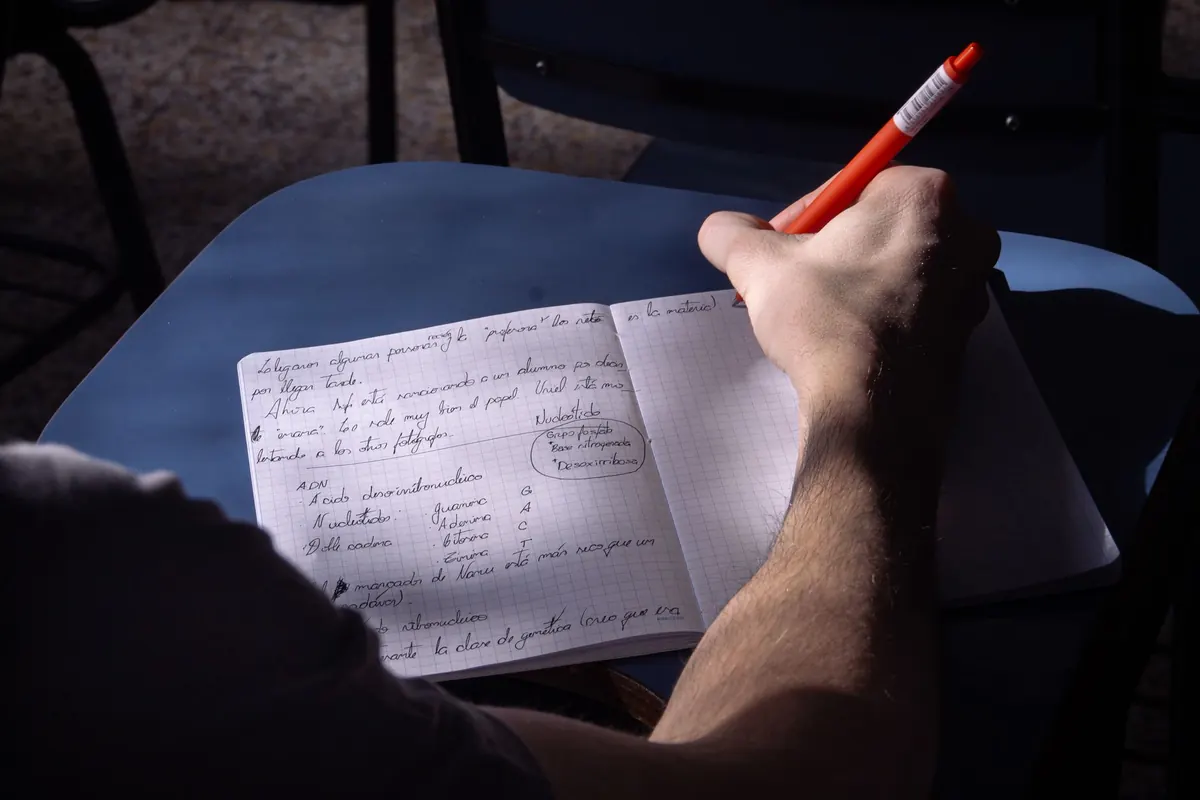
Photo: jessica olivella / Pexels
Previous Post
How to Keep a Travel Journal That You'll Actually Reread
Next Post
How to Build a 10-Day Italy Itinerary Without Rushing